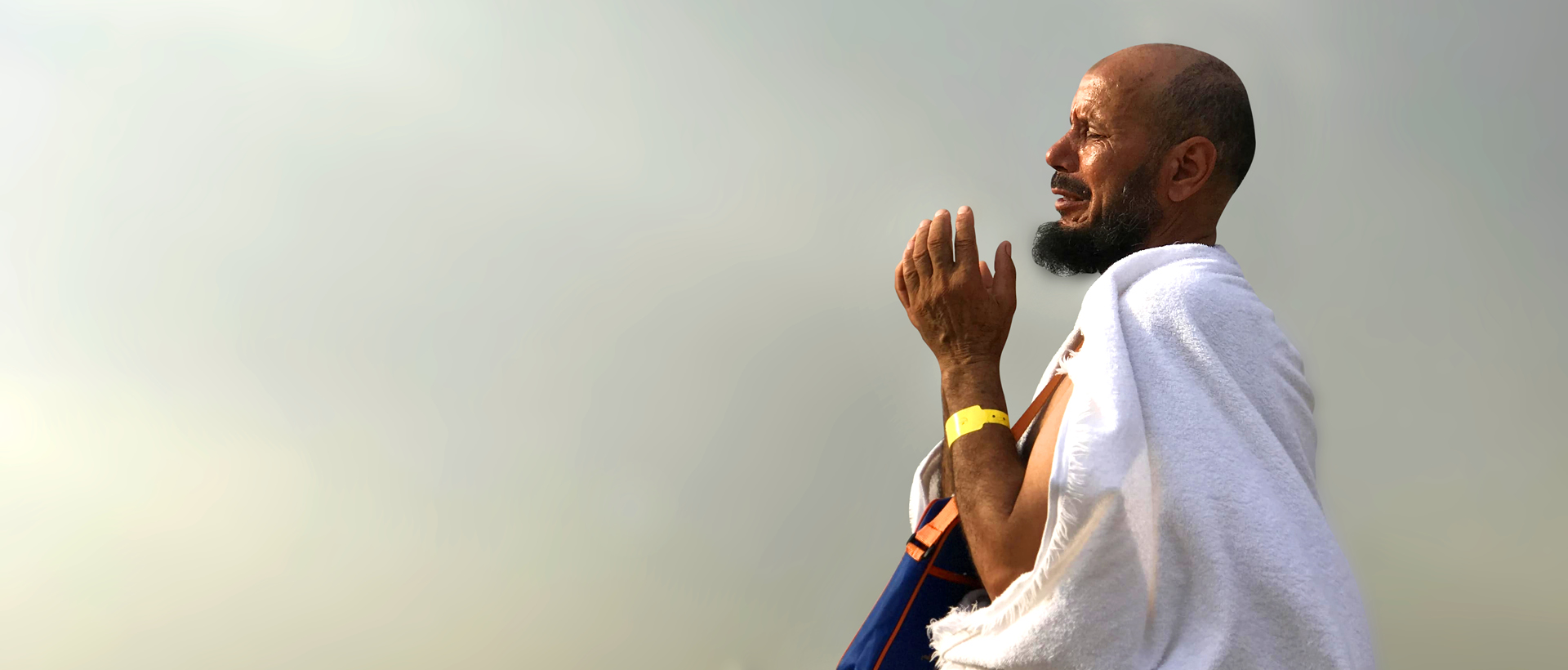
For Muslims who have only just embraced Islam, experiencing Ramadan for the first time can be an emotional yet life-changing experience. A month which is filled with worship and reflection, it is a time in which a believer is tested for their patience and mercy. Although it can feel unfamiliar and overwhelming to those experiencing it for the first time, Allah never expects perfection overnight.
The month of Ramadan for reverts is not about knowing everything from scratch, but more about the growth in faith, finding peace in worship, and, more so, building a solidified and strengthened relationship with Allah.
Remember Why Ramadan Matters
Ramadan is the ninth month of the Islamic calendar and a month in which the Quran was first revealed to the Messenger of Allah (Peace be Upon Him). It is a month of sacrifice and patience, when Muslims fast from dawn to dusk and increase their worship to get closer to Allah.
Allah says in the Quran,
"O you who have believed, fasting has been prescribed upon you as it was prescribed upon those before you that you may attain Taqwa (God-consciousness)."
[Quran 2:183]
Fasting is not just about avoiding food and drink, but a means to grow closer to Allah through developing a heart that remembers Him throughout the day. If this happens to be your first Ramadan, it is key to try to keep this purpose in mind. Every fast and prayer is an opportunity to increase in faith and get closer to Him.
Take Small Steps and Be Patient with Yourself
Many new Muslim reverts worry about wanting to do everything perfectly. They may pressure themselves and compare their journey to Muslims who have observed Ramadan throughout their entire life. It is important to note that every person’s journey is different.
The Prophet Muhammad (Peace be Upon Him) said,
"The most beloved deeds to Allah are those that are consistent, even if they are small."
[Bukhari and Muslim]
For anyone beginning their journey into Islam, the above hadith is to remind you that it is the intention behind your act that matters. Instead of trying to do everything at once, you must focus on building good habits throughout the month that you can continue after Ramadan ends.
If you happen to miss out on something because you are still learning, then do not lose hope; Allah is Most Merciful and knows the sincerity behind what you do.
Learn About Fasting Before Ramadan Begins
To understand the basics of fasting in Ramadan, learning about this act of worship before the month begins may help you feel more confident about what is required of you. Fasting begins at dawn with a pre-dawn meal known as Suhoor. The fast then ends in the evening during sunset with the Iftar meal. During this period, Muslims are obliged to avoid food and drink, and any other forbidden acts that could break the fast.
The Messenger of Allah (Peace be Upon Him) encouraged believers to eat suhoor, saying,
"Eat suhoor, for in suhoor there is blessing."
[Bukhari]
Preparing simple meals for your Suhoor and Iftar and staying well hydrated during the evening can help make fasting easier. If you happen to have any medical condition or another valid reason that may affect your fast, then you must seek advice from a knowledgeable scholar and your healthcare professional before making any intention to fast.
Ramadan for reverts is an experience like no other. Learning all the practical details before the month of Ramadan begins can reduce any anxiety and allow more time to focus on worship when the blessed month arrives.
Make the Quran Part of Your Day
Ramadan is known as the month of the Quran. It doesn’t matter if you are still not fluent in your recitation of the Quran in Arabic, as you can still benefit by reading the translation of the Quran, listening to it, and studying the meaning of the verses.
Allah tells us in the Quran,
"Indeed, this Quran guides to that which is most upright."
[Quran 17:9]
Do not worry or put pressure on yourself to read large amounts every day, as even a few verses read with understanding can be more impactful upon your heart.
Your first Ramadan is an opportunity to build a lifelong connection with the words of Allah.
Stay Connected with the Muslim Community
One of the blessings that come with Ramadan is the feeling of togetherness. Mosques and communities often organise Iftar get-togethers, with Taraweeh prayers and Islamic talks that follow. These gatherings are especially helpful for new Muslims to feel welcomed and supported.
For those of you who do not have Muslim family members, spending time with your local community can make Ramadan a lot easier. Do not feel ashamed to ask questions, as many Muslims are more than happy to help you on your learning journey.
Building friendships with practising Muslims can also help provide you with encouragement long after the blessed month ends.
Remember That Charity is at the Heart of Ramadan
Ramadan is a month of kindness and giving. Muslims are encouraged to care for the vulnerable and give to those most in need.
The Prophet Muhammad (Peace be Upon Him) was known best for his generosity throughout the year, but especially during Ramadan. Ibn Abbas (RA) reported:
"The Messenger of Allah (Peace be Upon Him) was the most generous of people, and he was even more generous during Ramadan."
[Bukhari]
Giving charity, no matter the amount, can make an impact. Even a kind word or helping another person is rewarded by Allah.
Supporting vulnerable children and their families is a meaningful way to live through the values that Ramadan teaches us. We here at Orphans in Need work throughout the year to provide food and shelter to orphaned children around the world. During the month of Ramadan, acts of kindness go a long way, bringing comfort to those who need it most, whilst also allowing you to earn the reward from Allah.
Turn to Allah Often in Dua
Ramadan is a great time to pray and make dua to Allah. Speaking to Allah and sharing your hopes and worries is a great way to seek closeness to Him. It’s the perfect time to ask Allah for strength in your faith and for him to guide you on your journey to Islam.
Allah says in the Quran,
"And when My servants ask you concerning Me, indeed I am near. I respond to the invocation of the supplicant when he calls upon Me."
[Quran 2:186]
Ramadan for reverts can at times be a challenging period. However, the verse above is a promise from Allah that can give you hope and comfort. It can remind you that no matter where you started from or where you are in your journey to Islam, Allah is near and He hears every prayer that comes from you.
A Journey of Faith That Lasts Beyond Ramadan
Your first Ramadan may feel exciting, challenging and emotional all at once. There may be moments when fasting may feel difficult, or you may be questioning if you’re doing enough. Remind yourself that Islam is a journey of growth that continues throughout your lifetime, not a religion that demands instant perfection.
Every prayer you perform, every verse of the Quran that you recite, and every act of giving that you carry out has the means to bring you closer to Allah. Ramadan is not only about completing thirty days of fasting. It is about building a heart that remembers Allah throughout the year.
As you continue your journey, let Ramadan inspire you to deepen your worship, strengthen your connection with Allah, and extend your kindness towards those in need. By remembering vulnerable orphans and families through your prayers and charitable giving, you’re reflecting on the beautiful act of mercy that lies at the heart of Islam and within the true spirit of Ramadan.
Why not make a donation during Ramadan 2027 to one of our appeals at Orphans in Need today, where a single donation can help make a difference to the vulnerable?