Dhul Hijjah is the holy month in which the Hajj pilgrimage takes place, holding a special place in the Islamic calendar. It is a month which is filled with devotion and meaningful reflection. Within this blessed month are the first ten days, known as the best ten days of the entire year, in which the rewards are doubled, hearts soften, and one seeks closeness to Allah.
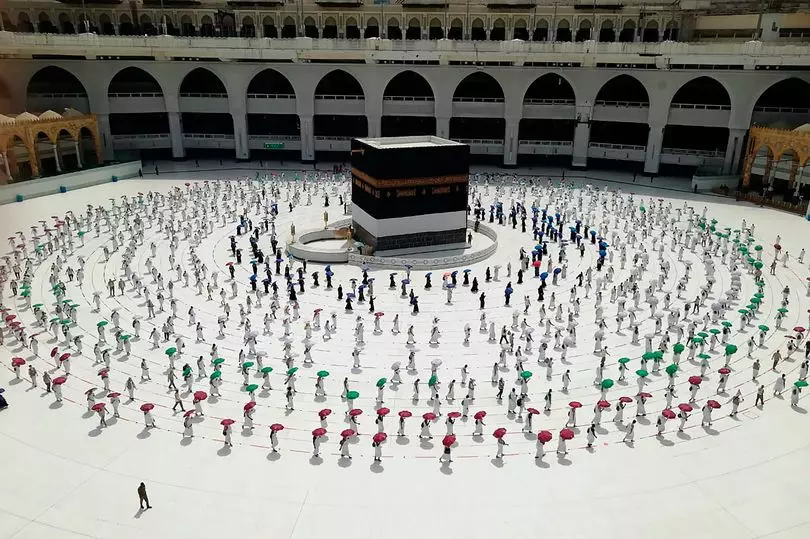
During the month of Dhul Hijjah, Muslims around the world come in millions to perform the Hajj Pilgrimage. This journey is a reflection of the devotion and sacrifice of Prophet Ibrahim (AS) and the Prophet Muhammad (Peace be Upon Him) who walked the plains of Arafah in submission to Allah. Both their actions are what continue to inspire the Muslim Ummah, reminding them of the acts of patience and obedience.
Hajj is the Fifth Pillar of Islam and is required to be performed at least once in a believer’s lifetime. The Pilgrimage takes place once a year and is obligatory upon anyone who has the health and wealth to do so. However, many, due to their circumstances, aren’t able to make it, and so Allah has blessed Muslims with the opportunity to benefit from the sacred month in other meaningful ways.
What is Dhul Hijjah?
Dhul Hijjah is one of the four most sacred months, alongside Muharram, Rajab and Dhul Qadah.
So, when is the first 10 days of Dhul Hijjah? The exact dates each year depend entirely on the lunar calendar and the sighting of the moon at the start of each month. The 10 days of Dhul Hijjah 2027 are expected to begin mid-May, again, depending on the sighting of the Dhul Hijjah moon.
Why Are the First 10 Days of Dhul Hijjah So Important?
The first 10 days of Dhul Hijjah are full of blessings, filled with moments of Islamic history, along with the period of Hajj, and the joyous day of Eid al-Adha.
The early days of the month are spent in preparation for Hajj, with the pilgrims beginning their journey, often visiting Medina before it begins to visit the Mosque of the Prophet Muhammad (Peace be Upon Him).
As Hajj begins, Pilgrims start their journey, making their way to Mina, where they spend their time in worship and prayer. They then move to the plains of Arafah, one of the most important periods of the pilgrimage. This location is where the Prophet Muhammad (Peace be Upon Him) delivered his final sermon, and where Allah completed the religion of Islam for the believers.
Allah tells us of this moment in the following verses of the Quran when He says:
“This day I have perfected for you your religion and completed My favour upon you and have approved for you Islam as a religion.”
[Quran 5:3]
The tenth day of Dhul Hijjah marks the day of Eid al-Adha, the day of sacrifice, in which every believer performs an individual sacrifice of an animal for the sake of Allah, in honour and remembrance of the Prophet Ibrahim (AS) and his devotion to Allah.
Pilgrims perform their rituals that follow the strength and obedience of Prophet Ibrahim (AS), which also includes the symbolic stoning of the devil.
The Virtues of the 10 Days of Dhul Hijjah
This period of worship during the first 10 days of Dhul Hijjah are the perfect time to get closer to Allah. The Messenger of Allah (Peace be Upon Him) taught the Ummah that good deeds during these days of Hajj are the most beloved to Allah than at any other time of the year.
Fasting is a great act of worship in Islam. The 10 days of Dhul Hijjah fasting, especially on the Day of Arafah, carry immense reward. It is believed that fasting on this day can remove the sins of the past year and the year to come.
Remembering Allah and making Dhikr is also a way to welcome immense blessings, alongside giving charity and helping those in need. Supporting the vulnerable, especially through Qurbani and allowing families to enjoy the day of Eid with joy and dignity, can carry great weight during these days.
One of the 10 days of Dhul Hijjah quotes that many reflect on is the saying of the Prophet Muhammad (Peace be Upon Him) when he said:
“There are no days on which righteous deeds are more beloved to Allah than these ten days.”
Make the Most of These Blessed Days
The first 10 days of Dhul Hijjah are a gift from Allah. Whether your worship is through fasting, praying, or giving charity, every action with the right intention counts. Even for those who are not performing Hajj, the reward of this sacred month can be achieved from home if you turn to Allah with sincerity.
You must take the opportunity of this blessed month to grow spiritually through the means of giving and reflecting. Any small effort during these ten days can lead to long and lasting rewards.
You can donate and help someone in need this Dhul Hijjah through Orphans in Need, or you can choose to carry out your Qurbani following this link, where we will carry out the Qurbani on your behalf and distribute the meat to the most vulnerable this Eid.
Fasting for the nine days of Dhul Hijjah before the day of Eid al-Adha is recommended but not required. The most important fast of all ten days is on the Day of Arafah, which carries the greatest reward for those who are not performing Hajj.