- Sponsor
- Appeals
Appeals & Projects

Sponsor an Orphan
Helping orphan children live a happier and healthier life from just £30.
- Who we are
- Get Involved
- Zakat Calculator
- Contact
During the month of Shaban, the 8th month in the Islamic calendar, Allah (SWT) descends to the lowest heaven for one night, granting His believers generous Mercy from their sins, answering their prayers and freeing them from the hellfire. This night, also known as Shab e Barat, is an incredibly holy night in which Muslims pray and repent for their wrongdoings. Though this night is filled with great blessings, it is often sidelined as it falls during the ‘forgotten month’, due to preceding the month of Ramadan. Even though it’s often overshadowed, there is much to be gained from the night of Shab e Barat that many do not know about.
Orphans in Need have come up with a guide to explain everything you need to know about the blessings of Shab e Barat, deepening your knowledge and understanding of this holy night.
Shab e-Barat is the night during which the Creator descends from the highest heaven to the lowest, so that He may hear the prayers of His followers, granting them His Mercy for their sins. For this reason, this blessed night is also known as the Night of Forgiveness, the Night of Freedom, and the Night of Atonement.
There is great significance to Shab e Barat. During this time, Allah (SWT) is bountiful in His Mercy, relinquishing the sins of those who pray to Him and beg for His forgiveness. It is believed that Muslims who have been destined to go to Hell may be freed from its punishment by performing repentance prayers of Shab e-Barat, in which they ask Allah (SWT) for His forgiveness. On this night more than any other, He is most likely to exert great Compassion.
“When it is the night of the middle of Sha’ban, spend its night in prayer and observe a fast on that day. For Allah descends at sunset on that night to the lowest heaven and says: ‘Is there no one who will ask Me for forgiveness, that I may forgive him? Is there no one who will ask Me for provision so that I may provide for him? Is there no one who is afflicted by trouble, that I may relieve him?’ And so on, until dawn comes.’” [Ibn Majah]
Muslims believe that on the holy night of Shab e-Barat, the night of forgiveness, Allah (SWT) decides the fortunes of every creature on Earth for the year to come. Those who repent and pray on this night may receive good blessings in the coming year.
Shab e-Barat 2027 falls on either the 14th or 15th night of the eighth month of the year called Shaban. In the coming year, it is expected that the Shab e-Barat date will be on January 23rd or 24th, though this is subject to the sighting of the moon. Traditionally, the 15th night in the Islamic calendar consists of a full moon, but the exact date is dictated by when the new moon is spotted, signifying the start of Shaban.
There are several ways Shab e-Barat in Islam is observed, with customs varying from country to country. It is mostly observed by Muslims in Asia, though some Muslim communities in the Middle East and Africa also take part.
According to the Shab e-Barat hadith, the Prophet Muhammad (PBUH) attended the Al-Baqi’ cemetery in Medina on Shab e-Barat. He would pray for the souls of all the Muslims who were laid to rest there, and it is for this reason that Muslims attend the gravesides of their loved ones, praying for their forgiveness and peace upon their souls on this night.
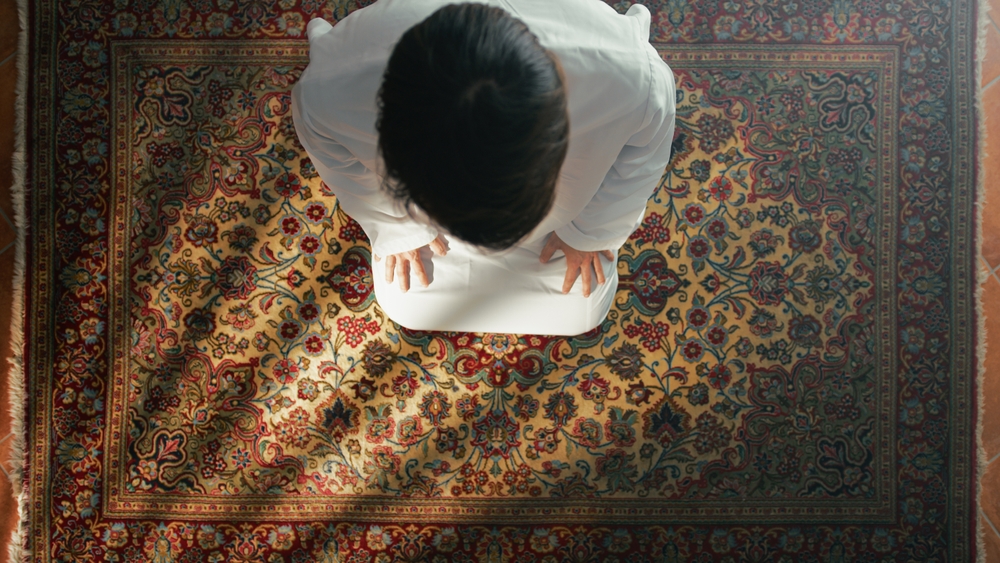
Another way this auspicious night is commemorated is through increased duas for Shab e-Barat, during which Muslims ask Allah (SWT) to grant their wishes and forgive them for any wrongdoings they have made over the course of the last year. Many Muslims stay up for as long as possible during the night to pray and recite the Qur’an in the hope that Allah (SWT) hears their prayers. Many Muslims also attend the mosque to pray for forgiveness and for the peace of their deceased loved ones.
Neighbours, friends, and families often exchange sweets, with food given out to the poor as a good deed.
Sha’ban is a month during which fasting is recommended in order to prepare for the month of Ramadan, seeking the closeness to Allah (SWT). Shab e-Barat is the perfect time to cleanse your mind, body, and soul through fasting, paired with the increased spirituality of this night. Fasting on this day is good for boosting your focus and gaining the mercy of the Almighty.
If you cannot fast at this time, you can do so on Mondays, Thursdays, or Fridays, or any of the ‘white days’ which fall on the 13th, 14th, and 15th of the month.
From everyone at Orphans in Need, we wish you a blessed Shab e-Barat and hope that Allah (SWT) bestows good fortune on you for the year ahead.
Whilst you’re here, why not increase your rewards and make a donation to Orphans in Need. A single donation can bring change to someone’s life.