DONATE
Today

• 14 August

Recent Donors

Donation Line

How is Mawlid al-Nabi Celebrated?

Mawlid al-Nabi marks the birth of Prophet Muhammad (SAW) and remains one of the key dates observed by Muslim communities around the world. It brings spiritual reflection, communal participation, and established traditions of respect that have evolved across many generations. The different approaches to the day show both its deep religious roots and the range of cultural expressions that have developed alongside them.

When is Mawlid al Nabi Observed?

While the Mawlid al Nabi is widely recognised, the way it is observed is not the same in every country. In several Muslim-majority countries, Mawlid is recognised as a public holiday. Elsewhere, local mosques and Islamic organisations usually arrange lectures, educational programmes, and gatherings to mark the occasion.

Mawlid is traditionally observed on the 12th of Rabi' al-Awwal. As the Islamic calendar is based on lunar months, the date changes each year on the Gregorian calendar. In many countries, the official date is confirmed after the moon has been sighted.

How Is Mawlid al Nabi Celebrated?

Local traditions, cultural practices, and scholarly opinions have shaped different forms of observance over time. People often search when is Mawlid al Nabi or how is Mawlid al Nabi celebrated because there is no single practice followed by all Muslim communities.

Many communities start preparing several days in advance. In quite a few regions, the whole of Rabi’ al-Awwal receives special attention as a time dedicated to the Prophet’s life and message. Families and local groups use these weeks to pay closer attention to the principles of mercy, justice, and right conduct that come from his example. Other Muslims choose not to observe it because they follow a different scholarly view. Both positions have existed within Islamic scholarship for centuries.

Historical Background of Mawlid Al Nabi Celebration

The custom of marking the Prophet Muhammad (SAW)’s birth in an organised way took hold several centuries after his lifetime. The first clear records of Mawlid al Nabi celebration point to the Fatimid period in the tenth century, after which the practice spread more widely.

For Muslim communities, the day means far more than noting a historical event. It provides an annual opportunity to renew one’s attachment to the Sunnah, which is the Prophet’s (SAW) pattern of living. This guidance touches personal conduct, family life, and relations within the wider community. The celebration of Mawlid al Nabi naturally leads people to examine his character traits, especially compassion for those in need, honesty in transactions, and calm resolve in difficult times, with the intention of applying them in today’s world.

Religious Practices During Mawlid al-Nabi

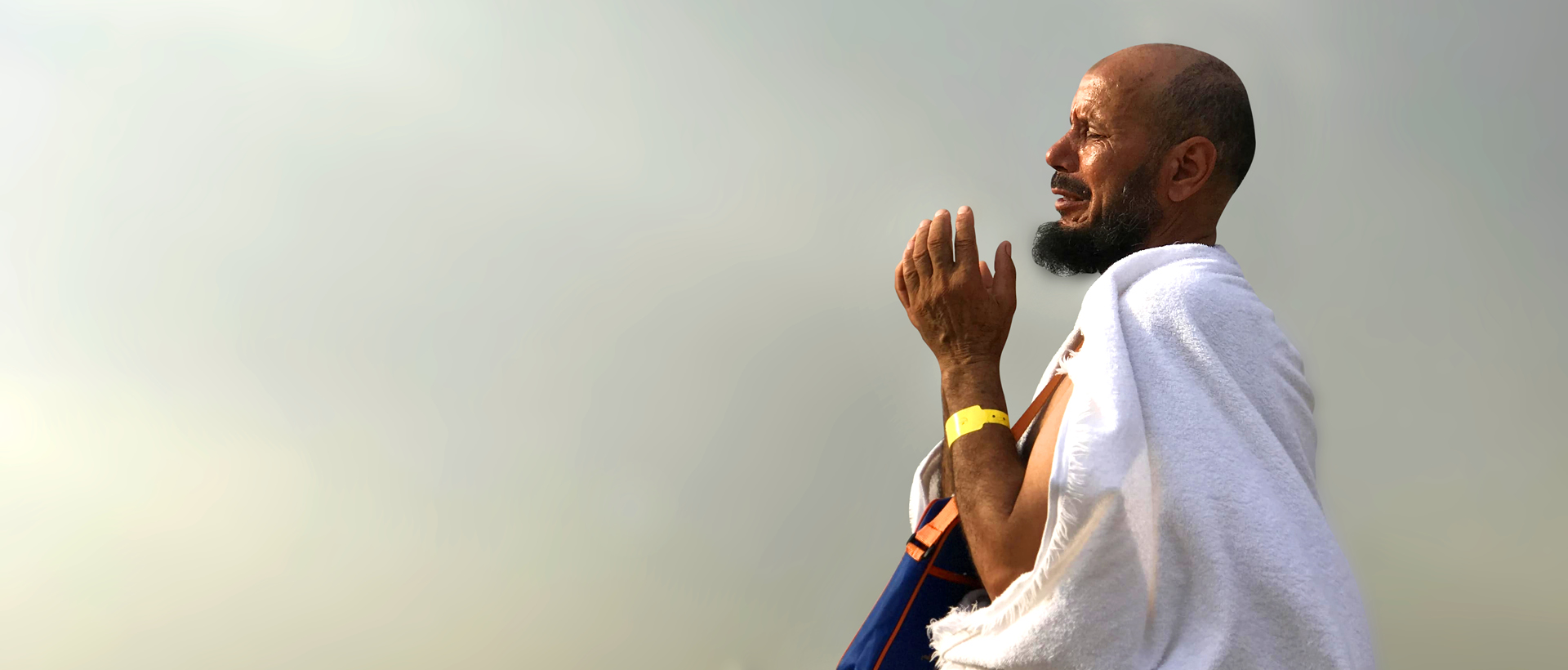
The main Mawlid al Nabi celebration programmes take place in mosques, community centres of different fiqh, or Islamic centres. They generally include congregational prayers, recitation of Salawat (blessings) upon Prophet Muhammad (SAW), lessons from the Seerah (biography of Prophet SAW), and extended Quranic recitation that highlight the Prophet’s life and his role as a mercy sent to creation.

Imams, Islamic scholars, and teachers often deliver lectures, educational sessions, or reminders on key moments from the Prophet's life, such as his character, family relationships, compassion for those in need, patience during hardship, fairness in resolving disputes, honesty in trade and financial dealings, and justice in business and commercial transactions. The aim of such gatherings is to help people better understand his example and apply those teachings in everyday life.

Many gatherings also include collective remembrance of Allah (dhikr), bringing the community together in worship and reflection during the month of Rabi al-Awwal.

Poetic Recitations and Devotional Expressions

Poetry and devotional recitations such as a Nasheed or an Islamic hymn (also called Naat in South Asia) have formed part of these observances for a long time. Classic qasidas and nasheeds, mainly in Arabic but also presented in other languages, express respect and love for the Prophet Muhammad (SAW). These recitations happen in larger mosque settings and in smaller home gatherings, always with care for proper tone and focus.

These nasheed do more than stir emotion; they pass on important events and moral lessons from the Prophet’s life.

Acts of Charity and Support for the Vulnerable

Charity lies at the heart of many Mawlid observances, echoing the Prophet Muhammad (SAW)’s strong and repeated concern for orphans, widows, and people in hardship. Communities arrange food distributions, financial help, and hands-on assistance during this time. These efforts connect directly to the requirements of Zakat and the encouragement of voluntary giving, turning the day into real support for those who need it.

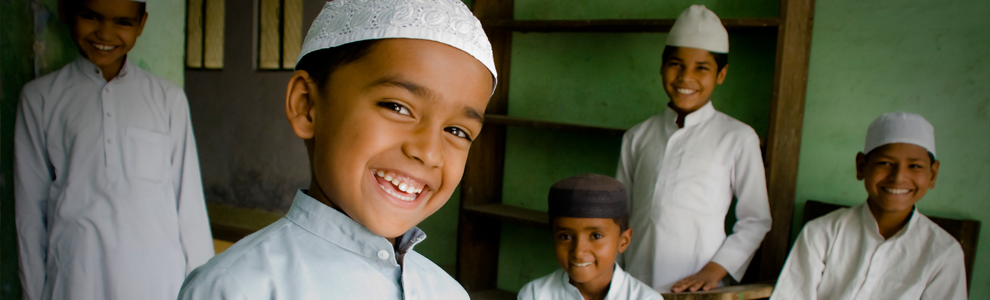
In various countries, targeted charity programs focus on children and families facing difficulties, providing meals, educational materials, and basic supplies. The work meets immediate needs and helps strengthen the foundations of a caring community built on religious responsibility.

Mawlid Al Nabi Celebration Across Different Regions

Different parts of the world mark the day of Mawlid al-Nabi in ways shaped by their own customs, while the main religious purpose stays consistent.

In North Africa, marches carrying lanterns and banners often lead to shared meals that include well-known sweets. In South Asia, communities commonly organise large marches featuring decorated floats, flags, and banners carrying messages such as “Happy Mawlid al Nabi.” In parts of the Middle East, large public squares fill with crowds for joint prayers and scholarly presentations. Southeast Asian observances tend to combine family activities with mosque programs, where neighbourhood meals play an important role in building local ties.

In Western countries, Muslim communities have developed methods that suit their circumstances. Mosques and centres organise lectures, religious poetry events, and family programs that honour local conditions without losing essential traditions. Various groups also arrange international conferences where scholars discuss the Prophet Muhammad (SAW)’s teachings and how they apply now. Children’s programs present his character and values in suitable ways that encourage reflection on qualities like kindness and fairness.

Can Muslims Say "Happy Mawlid al Nabi"?

Opinions among scholars vary across Islamic traditions. Some Muslims exchange greetings such as Happy Mawlid al Nabi as they view the observance as an acceptable expression of love for the Prophet Muhammad (SAW) when kept within proper bounds and free from excess. While others choose not to because of the scholarly opinions surrounding the occasion. They see certain celebratory practices as later developments not present in the early period of Islam, as it was not practised by the Prophet Muhammad (SAW) or his Companions and prefer focused study of the Prophet’s life along with regular worship of Allah (SWT).

The existence of different positions encourages mutual respect, thoughtful discussion and return to original sources. What many Muslims share in this occasion is attention to the common purpose: deeper study of the Sunnah practices, greater charitable activity, and stronger devotion.

The Role of Education and Reflection of the Prophet’s Life

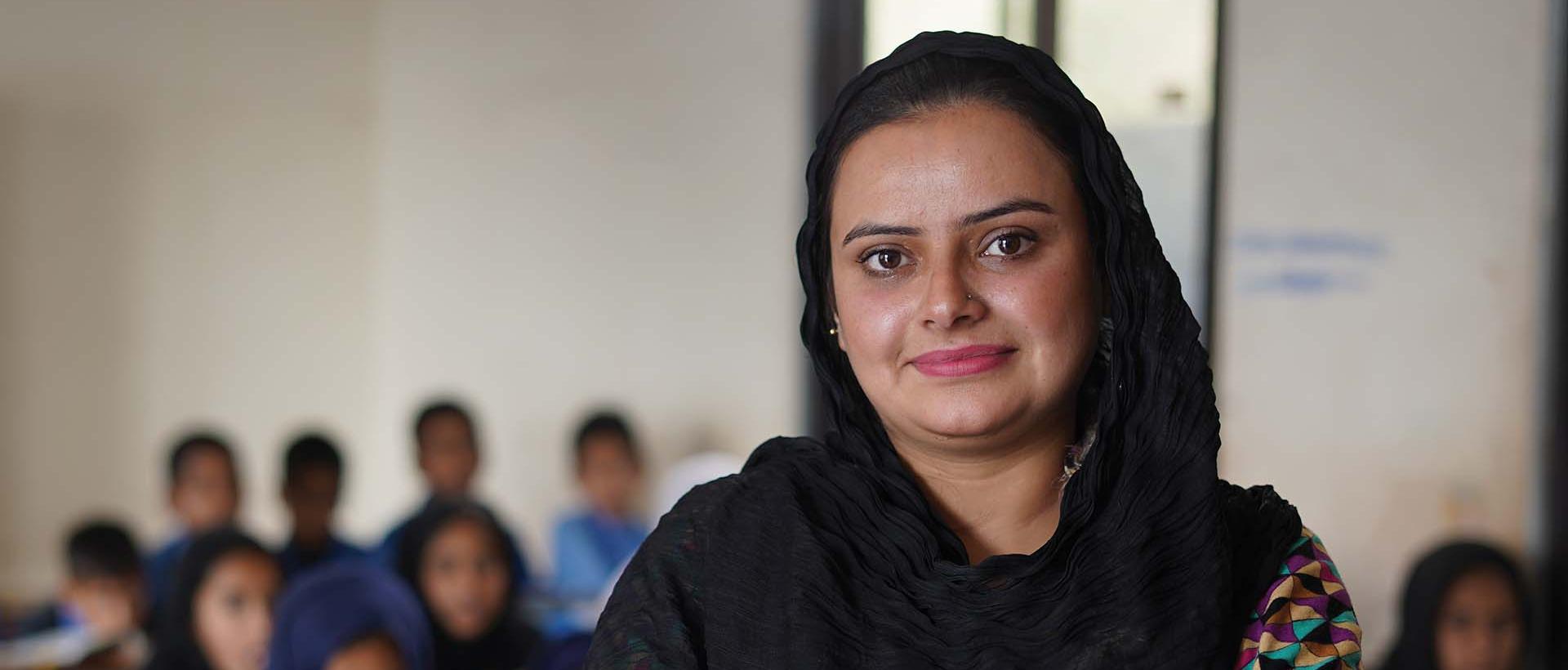
Learning activities or educational programmes during the celebration of Mawlid al Nabi is an important part of Rabi al-Awwal. Sessions devoted to the Seerah go through the Prophet Muhammad (SAW)’s early life, the coming of revelation, the Hijrah (migration) to Madina, and his leadership there. These studies draw out practical lessons of judgment and human interaction, such as justice, compassion, leadership, and honesty, that still matter today. Reflection on this material helps link religious understanding to personal growth and improvement and consistent ethical behaviour in everyday matters.

Mawlid al-Nabi offers Muslim communities a dedicated time each year to honour the Prophet Muhammad (SAW) through worship, learning, and acts of charity. The occasion serves as an opportunity to reflect on the values of compassion, justice, kindness, and responsibility that he taught throughout his life.

At Orphans in Need, we see these values at work every day in our programs for vulnerable children in several countries. The Prophet Muhammad (SAW)’s clear guidance on looking after orphans turns into practical results when people act together. During Mawlid al-Nabi and across the whole year, we keep working to supply education, food, shelter, and real chances for children who have lost their parents.

We invite you to join us in living out these principles. Your help allows us to build and extend the projects that make a lasting difference for orphans and their families. Check out our recent appeals to see what we are doing now and how you can take part. In this manner, the message of the celebration can grow into steady support that truly carries forward the Prophet Muhammad (SAW)’s legacy of mercy for those who need it most.